How Valuable Metal Can Be Recovered

Platinum is one of the world's most valuable precious metals and is widely used across automotive, industrial, jewellery, chemical, and other specialized applications. When platinum-containing materials reach the end of their useful life, recycling can provide an opportunity to recover this valuable metal and return it to productive use.
At Palladium Recycling Pty Ltd, we provide responsible precious metal recycling and refining solutions across South Africa and the SADC region. Our services focus on recovering valuable Platinum Group Metals (PGMs), including platinum, palladium, and rhodium, from recyclable precious metal-bearing materials.
What Is Platinum Recycling?
Platinum recycling is the process of recovering platinum from materials that are no longer required or have reached the end of their useful life. Instead of allowing valuable platinum-bearing materials to become waste, specialized recycling and refining processes can separate and recover the precious metals they contain.
Depending on the material, platinum may be present alongside other valuable metals such as palladium, rhodium, gold, and silver.
The recovery process requires accurate sampling, professional analysis, appropriate recovery technologies, and controlled refining to determine and maximize the value of the precious metals present.
Where Does Recyclable Platinum Come From?
Platinum can be recovered from a variety of secondary sources. These may include:
Automotive catalytic converters
Industrial materials
Spent catalysts
Manufacturing residues
Jewellery waste
Platinum-bearing components
Laboratory and chemical materials
Other precious metal-bearing materials
The exact platinum content can vary significantly between materials. This is why proper sampling and analysis are important before the refining process begins.
How Is Platinum Recovered?
While the exact process depends on the material being processed, platinum recycling generally involves several important stages.
1. Collection and Sorting
Platinum-bearing materials are collected and assessed according to their type, origin, and characteristics. Sorting helps ensure that materials are processed appropriately.
2. Sampling
Representative sampling is essential because precious metal concentrations can vary throughout a batch. Proper sampling helps provide a more reliable basis for analysis and valuation.
3. Precious Metal Analysis
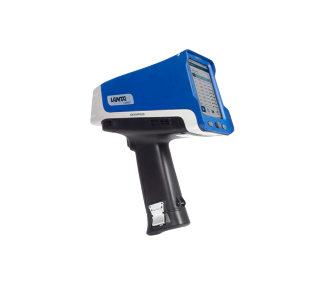
Advanced analytical technology can be used to identify and evaluate the metals contained within a material. Techniques such as XRF analysis can provide rapid elemental information for suitable samples, while more detailed laboratory analysis may be used where required.
4. Recovery and Processing
Following analysis, appropriate recovery technologies and processing methods can be used to separate valuable platinum and other precious metals from the material.
5. Refining
The recovered material can undergo controlled refining to produce valuable platinum and other precious metal products according to the characteristics of the material and the required specifications.
Why Is Platinum Recycling Important?
Platinum recycling provides both economic and environmental benefits. Recovering platinum from secondary sources can help reduce the need to rely solely on newly mined material while returning valuable resources to the supply chain.
For businesses holding platinum-bearing waste or recyclable materials, recycling can also turn materials that may otherwise be considered waste into a potential source of value.
Platinum, Palladium and Rhodium Recovery
Platinum is often found alongside other Platinum Group Metals. Palladium and rhodium are also important precious metals used in automotive and industrial applications.
Because these metals can occur together, professional analysis and processing are important for determining the composition and potential value of recyclable materials.
At Palladium Recycling Pty Ltd, our precious metal services include the recovery, recycling, refining, and processing of PGMs and other precious metals.
The Importance of Accurate Precious Metal Analysis
Before valuable metals can be recovered effectively, it is important to understand what is actually contained within the material.
Accurate analysis can help businesses:
Identify valuable precious metals
Understand material composition
Support purchasing and processing decisions
Improve recovery planning
Determine potential value
Reduce uncertainty when dealing with precious metal-bearing materials
For suitable materials, handheld XRF technology can provide fast, non-destructive elemental measurements and help with preliminary identification and evaluation.
Responsible Platinum Recycling in South Africa
Responsible recycling helps keep valuable precious metals within the economy and supports more efficient use of existing resources.
Palladium Recycling Pty Ltd works with businesses across South Africa and the SADC region, providing professional precious metal recycling and refining solutions designed to help clients recover value from recyclable materials.
Whether you have platinum-bearing industrial materials, catalytic converters, jewellery waste, spent catalysts, or other precious metal-bearing sources, professional evaluation can help determine what valuable metals may be present.
Unlock the Value of Platinum-Bearing Materials
Platinum recycling is more than simply processing waste. It is an opportunity to recover valuable resources, support responsible resource management, and return precious metals to productive use.
If your business has platinum, palladium, rhodium, gold, silver, or other precious metal-bearing materials, Palladium Recycling Pty Ltd can help with professional sampling, analysis, recovery, recycling, and refining solutions.
Contact Palladium Recycling Pty Ltd to learn more about precious metal recycling and how valuable metals can be recovered from your recyclable materials


Comments