What Is XRF Analysis

When dealing with valuable precious metals, knowing exactly what a material contains is essential. XRF analysis is a fast, non-destructive testing method used to identify and measure the elemental composition of metals and other materials. It is widely used in the precious metals industry to help businesses verify metal composition, assess material quality, and make informed purchasing, recycling, refining, and processing decisions.
For precious metal recyclers, refiners, dealers, manufacturers, and jewelers, XRF analysis can provide valuable information without damaging the sample.
What Is XRF Analysis?
XRF stands for X-ray fluorescence. It is an analytical technique that uses X-rays to determine which elements are present in a material and, depending on the instrument and application, their approximate or quantified concentrations.
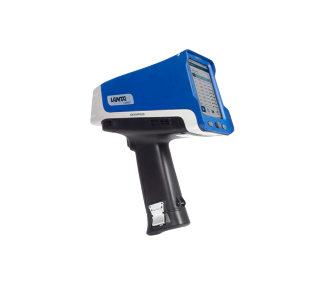
When an XRF analyzer is placed against a metal sample, X-rays interact with the atoms in the material. The atoms respond by producing characteristic fluorescent X-rays. The analyzer detects these signals and uses them to identify the elements present.
This makes XRF technology particularly useful for analyzing metals such as:
Gold
Silver
Platinum
Palladium
Rhodium
Copper
Nickel
Other alloying and trace elements
Why Is XRF Important for Precious Metals?
Precious metals can have significant financial value, so accurate material identification is an important part of buying, selling, recycling, refining, and quality control.
XRF analysis can help businesses:
1. Identify Precious Metal Composition
XRF testing can help determine whether valuable elements such as gold, silver, platinum, palladium, and rhodium are present in a sample. This can be particularly useful when dealing with unknown or mixed metal materials.
2. Verify Metal Quality
The composition of a precious metal product can affect its value and suitability for a particular application. XRF analysis can provide useful information about the elemental makeup of bars, jewelry, alloys, industrial materials, and recyclable metal-bearing materials.
3. Support Recycling and Recovery
Precious metal recycling involves processing materials that may contain valuable metals in different concentrations. XRF analysis can help recyclers and refiners evaluate incoming materials and identify potential precious metal content before further processing.
This can help support better sorting, purchasing, processing, and recovery decisions.
4. Provide Fast On-Site Results
One of the major advantages of handheld XRF technology is the ability to perform analysis directly where the material is located. This can reduce the need to wait for laboratory results for every preliminary material assessment.
Fast testing can be especially valuable when businesses need to make purchasing, sorting, inventory, or processing decisions quickly.
5. Perform Non-Destructive Testing
XRF is generally considered a non-destructive analytical technique because the sample does not need to be cut, melted, or chemically dissolved for the measurement.
This is particularly useful when testing valuable products or materials that businesses want to preserve.
XRF Analysis for Gold, Silver, Platinum and Palladium
XRF technology has applications across many areas of the precious metals industry.
Gold: XRF can help determine gold content and identify other elements in gold alloys and products.
Silver: XRF analysis can help evaluate silver composition and identify alloying elements.
Platinum: XRF can be used to analyze platinum-containing materials and assess their elemental composition.
Palladium: XRF analysis can help identify and evaluate palladium-containing materials, making it useful in precious metal recycling, refining, and material assessment.
Because different materials have different compositions and testing requirements, appropriate calibration, sample preparation, instrument configuration, and testing procedures are important for obtaining reliable results.
XRF Testing in Precious Metal Recycling
For precious metal recycling companies, analytical information is an important part of the recovery process.
Materials such as jewelry waste, industrial materials, spent catalytic converters, diesel particulate filters (DPFs), and other precious metal-bearing sources can contain valuable metals. However, their composition can vary significantly.
XRF analysis can provide a rapid preliminary assessment of suitable materials and help businesses make more informed decisions about sorting and processing.
At Palladium Recycling Pty Ltd, analytical services support the responsible recovery, recycling, refining, and processing of precious metal-bearing materials. Our approach combines professional sampling, accurate analysis, advanced recovery technologies, and controlled refining processes to help clients identify and recover value from recyclable materials.
XRF Analysis vs. Traditional Laboratory Testing
XRF analysis and laboratory-based analytical methods can serve different purposes.
Handheld XRF is particularly useful when businesses need rapid, on-site elemental information for screening, identification, sorting, purchasing, and process decisions.
More comprehensive laboratory analysis may be appropriate when highly precise results, specific detection limits, or detailed material characterization are required.
The most suitable testing method depends on the material, the purpose of the analysis, the required accuracy, and the metals being investigated.
Why Accurate Precious Metal Analysis Matters
Accurate analysis can help reduce uncertainty when dealing with valuable materials. Before purchasing, processing, recycling, or refining precious metal-bearing materials, businesses need reliable information about what they are handling.
Effective analysis can help with:
Material identification
Precious metal evaluation
Quality control
Sorting and classification
Purchasing decisions
Recycling and recovery planning
Refining processes
Inventory assessment
Process optimization
The better the understanding of the material, the better businesses can plan how it should be handled and processed.
Choose Professional Precious Metal Analysis
XRF analysis is an important tool for modern precious metal businesses because it provides fast and practical information about elemental composition while allowing many valuable materials to remain intact.
For companies involved in precious metal recycling, recovery, refining, manufacturing, jewelry, or trading, XRF analysis can be a valuable part of a broader analytical and processing strategy.
At Palladium Recycling Pty Ltd, we are committed to responsible and efficient precious metal recycling and refining solutions across South Africa and the SADC region. Our services focus on helping businesses recover maximum value from recyclable precious metal-bearing materials.
Need professional precious metal analysis or recycling services? Contact Palladium Recycling Pty Ltd to discuss your material and analysis requirements.



Comments